Best Lawn Fertilizers for Lush Green Grass
Best Lawn Fertilizers for Lush Green Grass: Optimized Fertilization Schedules and Solutions
Achieving a lush, green lawn requires more than just regular mowing; it necessitates a well-planned fertilization strategy. Homeowners often struggle with selecting the right lawn fertilizers and determining the optimal application schedule. This article will guide you through the best lawn fertilizers for promoting healthy grass, focusing on effective fertilization schedules tailored for Rockland County. You will learn about the types of fertilizers available, their benefits, and how to choose the right one for your specific lawn conditions. Additionally, we will discuss the importance of timing in fertilization and how seasonal changes can impact your lawn’s health.
What Is the Optimal Lawn Fertilization Schedule for Rockland County?
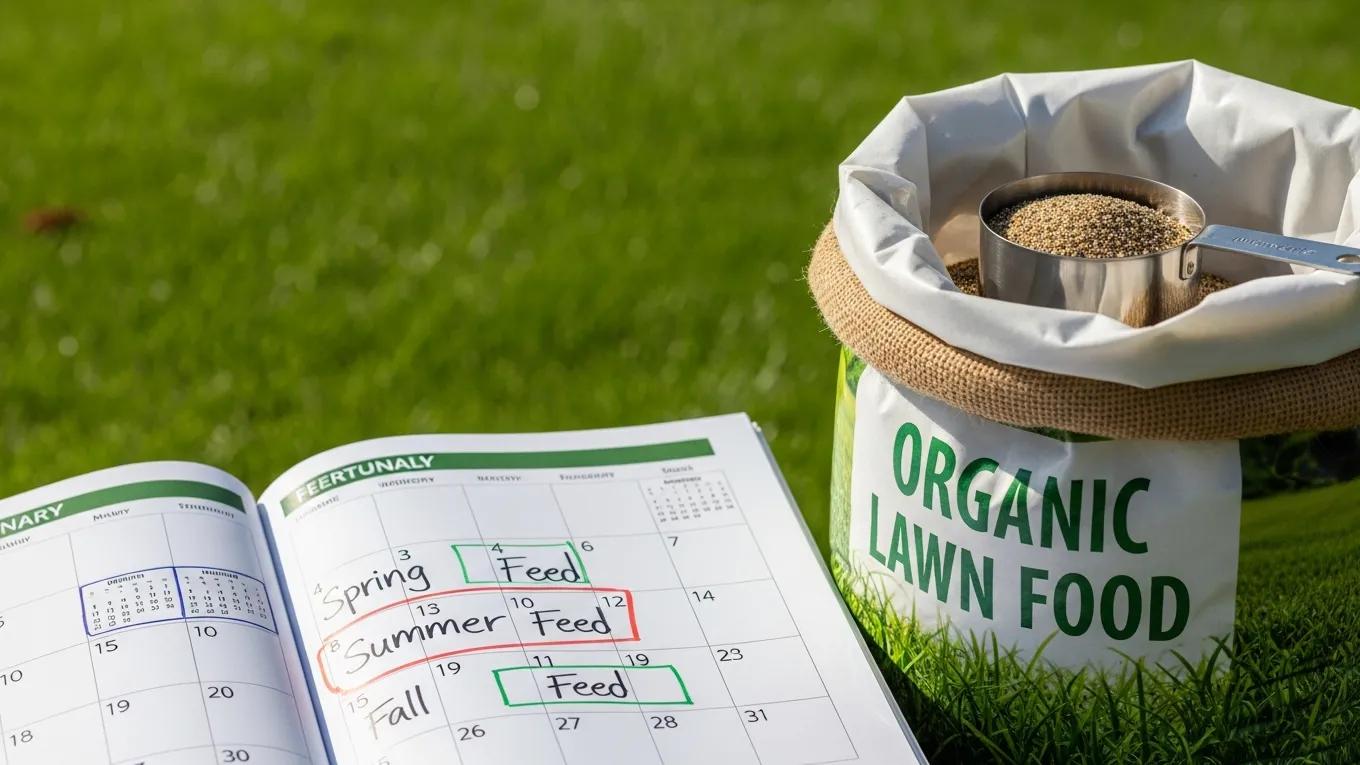
In Rockland County, the optimal lawn fertilization schedule is crucial for maintaining vibrant grass. The timing and frequency of fertilizer applications can significantly influence lawn health and growth. Understanding the local climate and seasonal changes is essential for effective fertilization.
When Should Homeowners Apply Fertilizer for Maximum Grass Health?
Homeowners should apply fertilizer in early spring, ideally when the soil temperature reaches around 55°F. This timing allows grass to absorb nutrients effectively as it begins its growth cycle. Fertilization should occur every 6-8 weeks during the growing season to ensure consistent nutrient availability. Pre-emergent fertilizers are particularly beneficial when applied before weed germination in early spring.
How Do Seasonal Changes Affect Fertilization Timing in Rockland County?
Seasonal changes play a significant role in determining fertilization timing. In Rockland County, spring brings a surge in grass growth, making it the ideal time for initial fertilization. As temperatures rise in summer, grass may require additional nutrients to cope with heat stress. In fall, a final application helps prepare the lawn for winter dormancy, ensuring it emerges healthy in spring. Adjusting fertilization schedules based on these seasonal patterns is vital for optimal lawn health.
Which Types of Lawn Fertilizers Promote Lush Green Grass?
Selecting the right type of lawn fertilizer is essential for achieving a lush green lawn. Various fertilizers offer different benefits, and understanding these can help homeowners make informed choices.
What Are the Benefits of Organic Versus Synthetic Lawn Fertilizers?
Organic lawn fertilizers, derived from natural sources, improve soil health and promote sustainable growth. They release nutrients slowly, enhancing soil structure and microbial activity. In contrast, synthetic fertilizers provide immediate nutrient availability, which can lead to rapid grass growth. However, they may contribute to soil degradation over time. Homeowners should consider their lawn’s specific needs when choosing between organic and synthetic options.
Research further distinguishes between various fertilizer release mechanisms, including water-soluble, controlled-release, and slow-release options, each with distinct effects on plant growth and nutrient leaching.
Comparing Water-Soluble, Controlled, and Slow-Release Turf Fertilizers
Fertilizer treatments included 1) Peters Peat-Lite 20-4.4-16.6 water-soluble fertilizer (WSF), 2) Daniels 10-1.8-2.5 soybean-based fertilizer (SBF), 3) Osmocote Plus 15-4-10, 3- 4 month longevity controlled-release fertilizer (CRF), 4) and Contec-DG 15-4-10, 5-month slow-release turf fertilizer (AGT).
Comparing the effect of controlled-release, slow-release, and water-soluble fertilizers on plant growth and nutrient leaching, 2011
How Does Slow Release Lawn Fertilizer Improve Lawn Health?
Slow-release lawn fertilizers gradually release nutrients over an extended period, providing a steady supply of nourishment to grass. This method promotes deep root development and reduces the risk of nutrient leaching, making it an environmentally friendly choice. By maintaining consistent nutrient levels, slow-release fertilizers help lawns withstand stress from heat and drought, ultimately leading to healthier grass.
Understanding how to calculate the Water Insoluble Nitrogen (WIN) in slow-release fertilizers is crucial for optimizing your lawn’s nutrient program.
Choosing Slow-Release Nitrogen Fertilizers for Lawns
fertilizer that provides nitrogen in a slowly available form, you should understand how to calculate WIN in order to determine which fertilizer program best fits your lawn
Lawn fertilization in Virginia, 2015
How to Select the Best Lawn Fertilizer for Specific Conditions
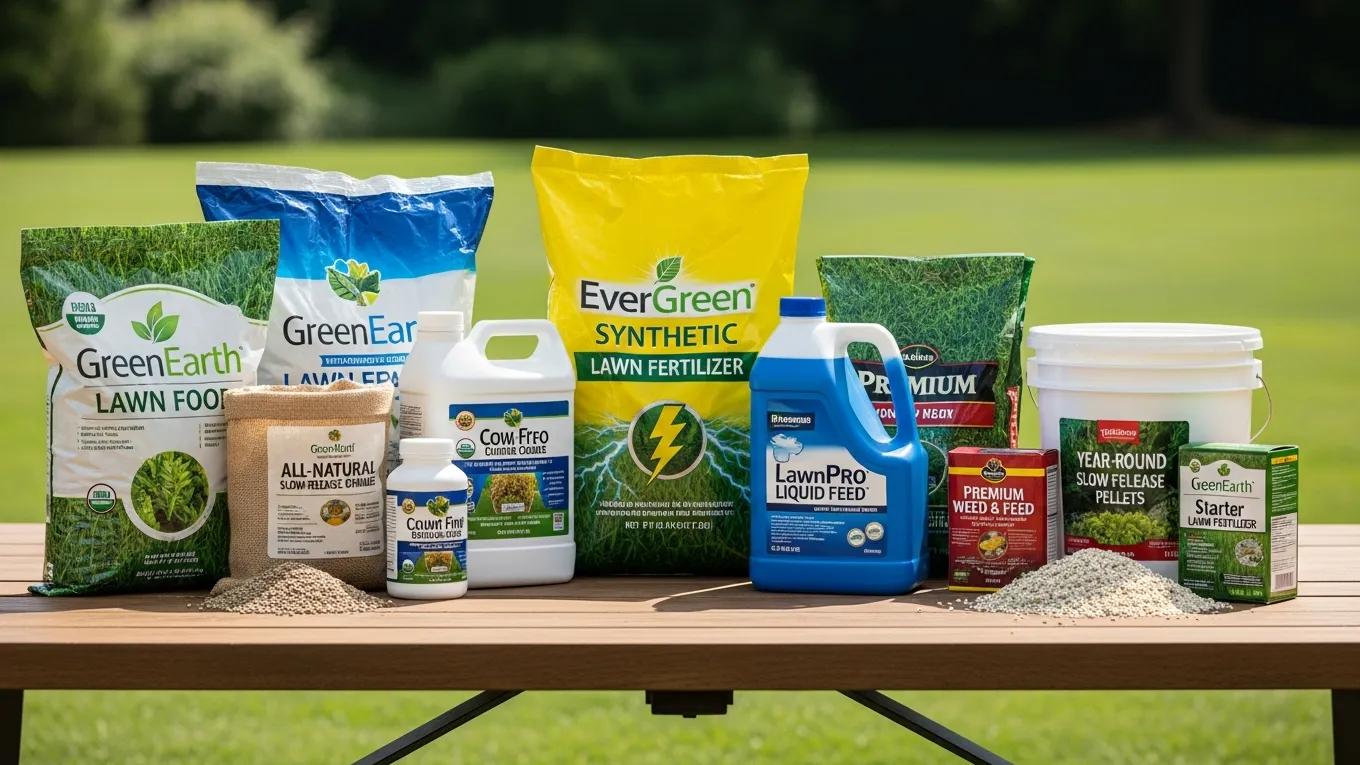
Choosing the right lawn fertilizer involves assessing specific lawn conditions and matching them with appropriate products. Factors such as soil type, grass variety, and environmental conditions should guide your selection.
This selection process is further guided by the principle of matching fertilizer to the soil’s specific nutrient requirements, particularly nitrogen and phosphorus.
Matching Lawn Fertilizer to Soil Nutrient Requirements
The fertilizer will be applied to match the nitrogen and phosphorus requirements, because we need to base our calculations on providing the nutrient that is required the most.
Lawn and Garden Soil Test Interpretations and Fertilizer Recommendation Guide, M Nathan
What Fertilizer Is Recommended for Shade Lawns?
For shaded areas, fertilizers high in nitrogen and potassium are recommended to support grass growth in low-light conditions. Products specifically formulated for shade lawns often contain slow-release nutrients to ensure sustained feeding. Homeowners should look for fertilizers that promote healthy root systems and enhance the grass’s ability to thrive in less sunlight.
Where to Find Professional Lawn Fertilizer Services Near Me?
Finding professional lawn care services can simplify the fertilization process and ensure optimal results. Local experts can provide tailored recommendations based on your lawn’s specific needs.
The Turf Lab NY offers comprehensive lawn care solutions, including professional fertilization services. For inquiries, you can reach them at (845) 323-7789 or via email at info@theturflabny.com. Their expertise can help you achieve the lush green lawn you desire, ensuring that your fertilization schedule aligns with the best practices for your area.
To further optimize your lawn care routine, consider exploring lawn fertilization services in New City, NY. By understanding the optimal fertilization schedules and the types of fertilizers available, homeowners can take proactive steps toward maintaining a healthy and vibrant lawn. With the right knowledge and resources, achieving a lush green grass is within reach.